
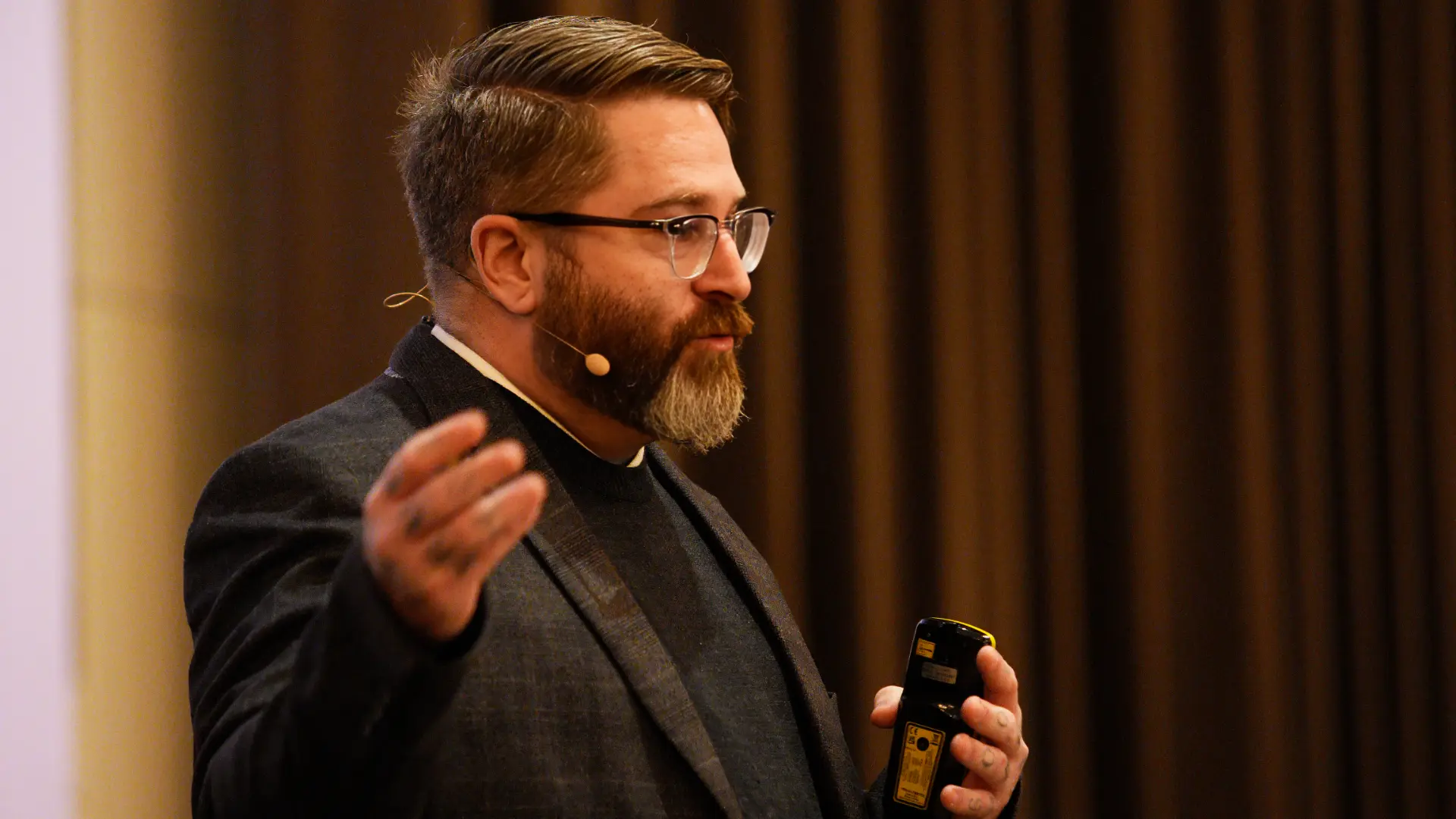
Jamie Mallinder
Good health and safety starts with understanding the work.
Jamie Mallinder is a health, safety and human performance specialist with more than 20 years of experience working across high-risk industries.
His career has taken him from operational health and safety roles through management systems, assurance and consulting to global work in critical risk, human performance and serious harm prevention.
Along the way, one theme has remained consistent: the gap between how work is intended to happen and the conditions people actually encounter when they do it.

“Understand work and prevent harm.”
Understand serious-harm exposure.
That gap shapes much of Jamie’s work today.
He works with organisations to understand serious-harm exposure, strengthen critical controls, improve verification and assurance, and learn more effectively from normal work as well as when things go wrong.
Beyond individual behaviour.
His work in human performance extends that thinking beyond individual behaviour.
It examines how work is designed, the pressures and trade-offs people navigate, the conditions that shape performance, and how organisations can learn from the reality of work rather than relying only on how it is described in systems and procedures.
The same systems perspective.
Jamie applies the same systems perspective to psychosocial risk.
He is the author of Harm by Design: Psychosocial Risk Management at Work and developed the Four Dimensions of Psychosocial Risk — Demands, Design, Dynamics and Defences — as a practical way of understanding how the conditions surrounding work can combine to create or reduce exposure to harm.
The work itself.
Across these areas, his approach is grounded in a simple principle:
Not just the system around it.
Not just the outcome after it.
The work itself. The conditions surrounding it. The controls people rely on. And the evidence that tells us whether those protections are actually working.
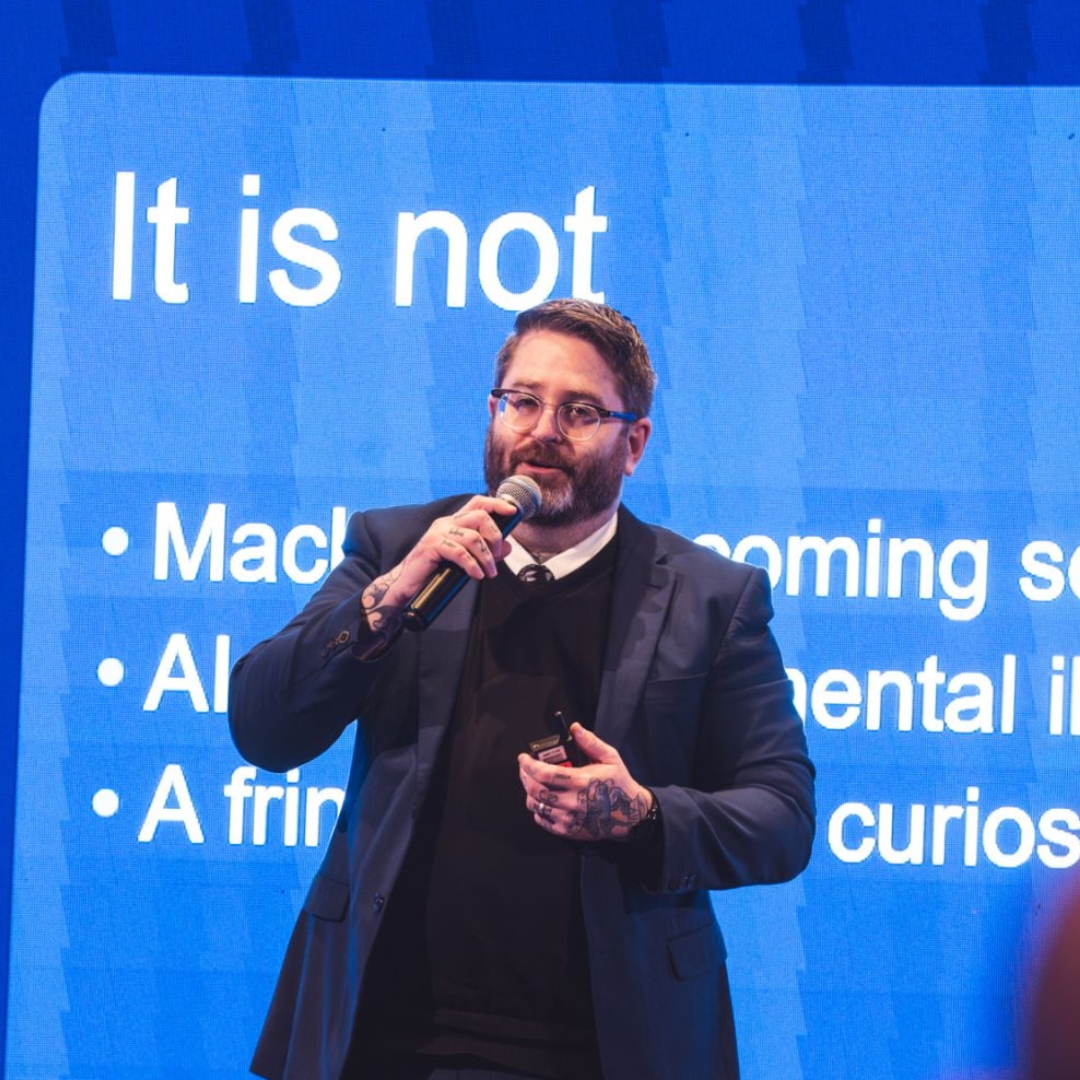
Complex, high-hazard and international environments.
Jamie has worked across mining and resources, energy and utilities, construction and infrastructure, manufacturing, transport, government and defence, and healthcare.
His work has included organisations operating across complex, high-hazard and international environments.
Depth behind the advice.
He holds a Master of Occupational Health and Safety and a Bachelor of Science in Health, Safety and Environment, and is completing postgraduate study in business psychology.
His professional development spans critical risk, human and organisational performance, psychosocial risk, investigation, auditing, management systems and organisational learning.
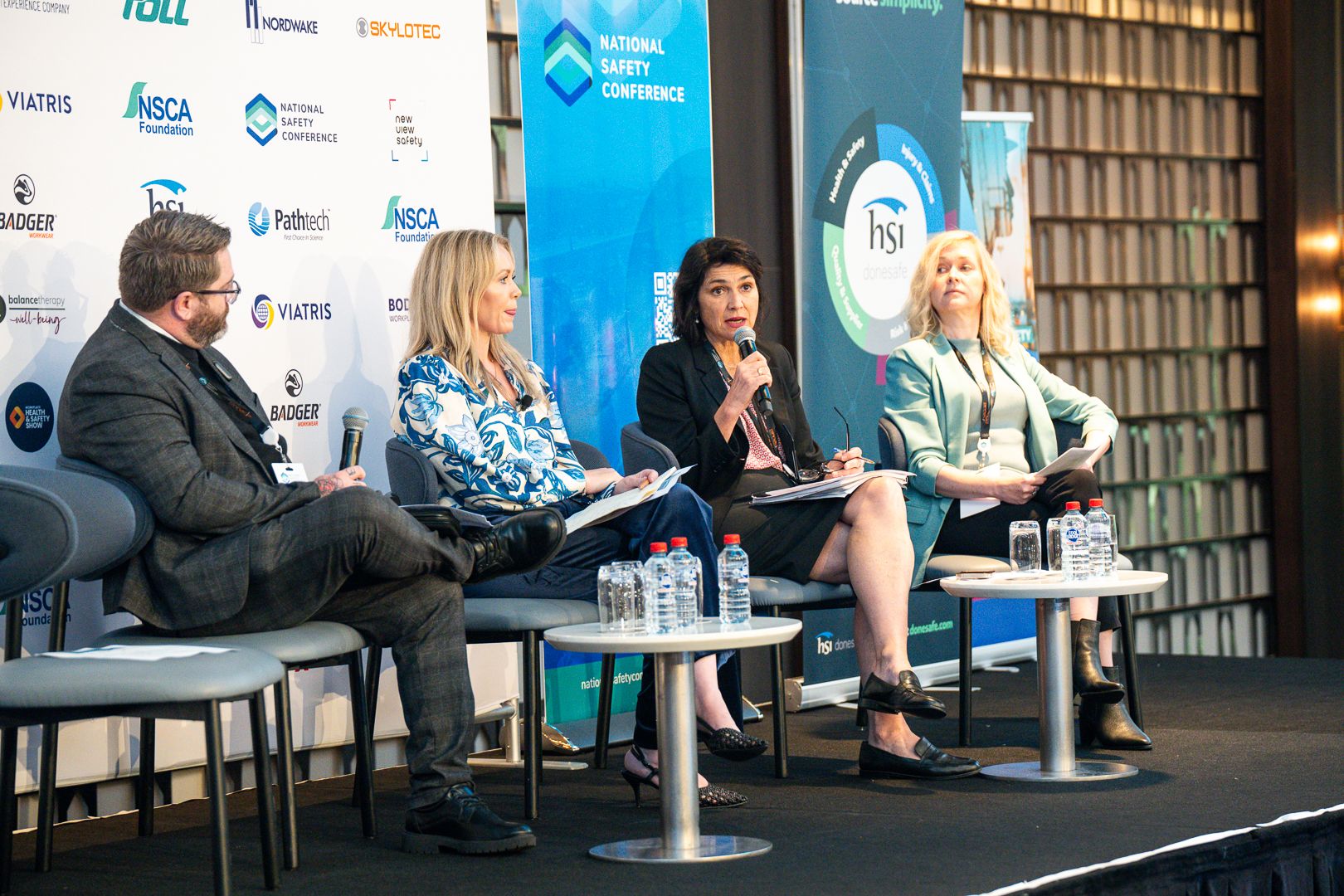
Jamie was recognised by the National Safety Council as a Rising Star of Safety, recognising his contribution to the profession and his work advancing how organisations understand and prevent harm.
A different kind of safety consultancy.
Through NewEra, he brings these different strands of work together.
Critical risk. Human performance. Psychosocial risk. Systems and assurance.
NewEra was created to bring together areas of practice that are too often treated separately.
Critical controls without understanding work can become another compliance exercise.
Human performance without effective controls can explain work without adequately protecting people.
Psychosocial risk without work design can become a wellbeing program rather than risk management.
Management systems without operational reality can produce excellent documentation and little meaningful change.
The opportunity is in connecting them.
Risk. Work. People. Systems.
That is where NewEra works.
Different disciplines, but connected by the same idea:
Understand work and prevent harm.
Bring the difficult problem.
You don’t need to arrive with the solution already defined.
You might know that your critical controls aren’t giving you enough confidence. That your safety system has become too complicated. That investigations keep finding the same things. That psychosocial risk is difficult to translate into practical action. Or simply that the way work happens and the way the organisation imagines it happens are drifting apart.
That is enough to start.
We’ll understand the problem first, then decide what is worth changing.
Understand work. Prevent harm.