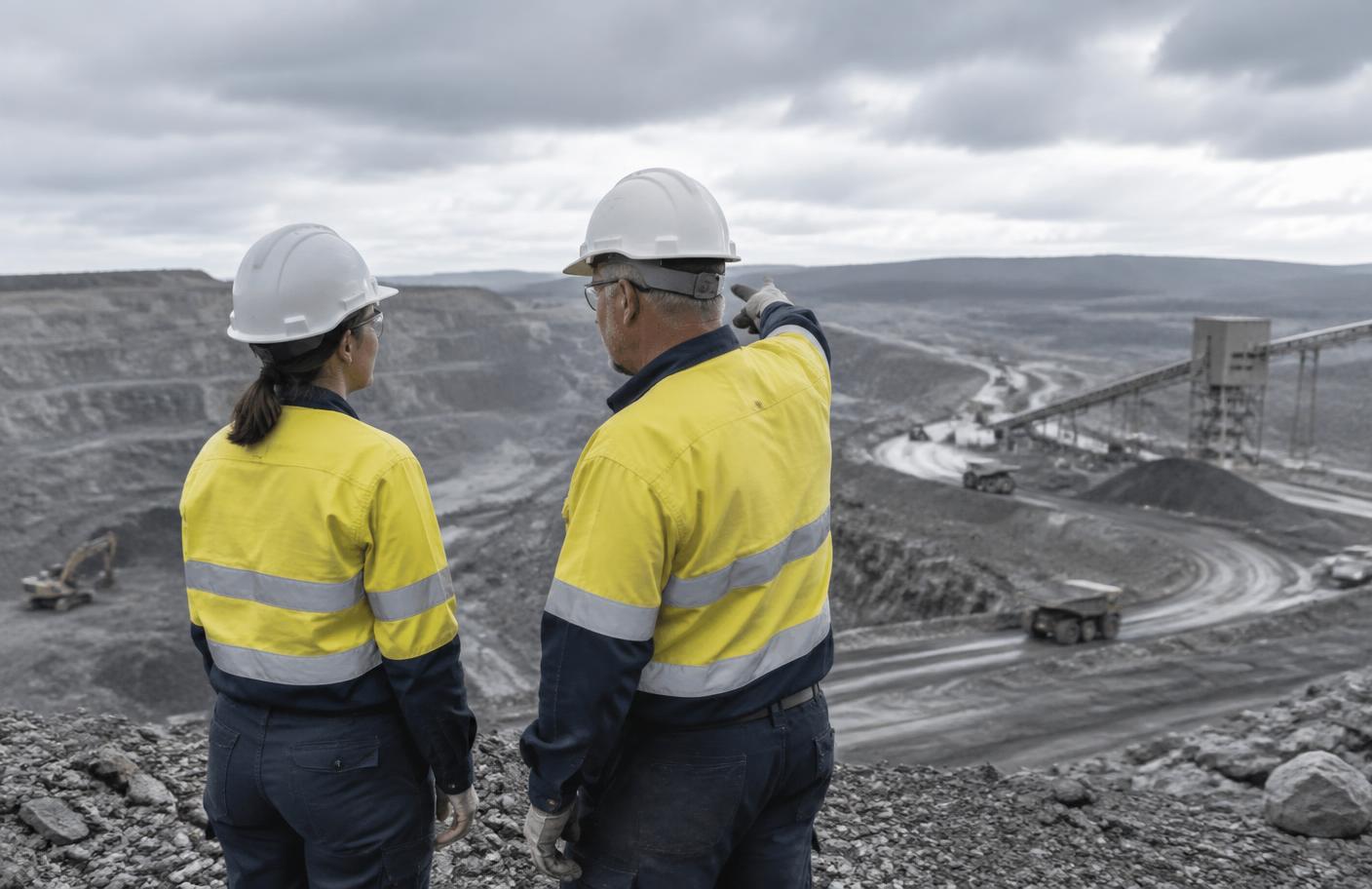
That everyday work contains some of the richest information an organisation has about how its system actually performs.
NewEra helps organisations learn from it.
Most of the work is missing from the learning system.
Think about how organisations usually decide when to learn.
Someone is injured.
Something nearly happens.
A control fails.
An audit identifies a problem.
A target is missed.
A complaint is made.
Something goes wrong, and attention follows.
These events matter.
But they represent a tiny fraction of the work happening every day.
Thousands of tasks are completed.
Problems are detected.
Plans are adjusted.
Controls work.
People recover when conditions change.
Teams find ways through complexity.
Most of that disappears without ever becoming organisational knowledge.
What could we learn if we looked before something went wrong?
Normal doesn't mean simple.
Normal work can be messy.
Conditions vary.
Equipment behaves differently.
Priorities compete.
Information arrives late.
Resources change.
People interrupt each other.
Plans move.
Weather changes.
Customers need something.
Another team changes the environment.
People respond continuously.
They make small adjustments that keep the system functioning.
Most are never recorded.
But those adjustments tell us a great deal about the organisation.
Learn how success is actually created.
Successful work isn't simply the absence of failure.
It is often actively produced.
People notice something.
Communicate.
Coordinate.
Slow down.
Change sequence.
Ask for help.
Use experience.
Create additional capacity.
Recover from disruption.
Strengthen a control.
Adapt the plan.
The useful question isn't only:
Why did nothing go wrong?
Ask:
What helped this work succeed?
That difference opens a much richer conversation.
Look at everyday work.
Learning From Normal Work starts with work that is already happening.
No incident required.
No investigation required.
No failure required.
Choose work worth understanding and explore it.
What normally happens?
What makes this work difficult?
What changes?
Where do people have to adapt?
What helps the job go well?
What gets in the way?
Which controls are easy to maintain?
Which controls become difficult under certain conditions?
What do experienced people know that isn't written down?
What would make this work better?
The aim isn't to find something wrong.
It's to understand something useful.
Look for adaptation.
People adapt because work changes.
Most adaptations aren't dramatic.
A crew changes the sequence.
An operator checks something twice.
A supervisor moves resources.
A worker waits for another activity to finish.
A team creates an informal communication method.
Someone uses experience to compensate for incomplete information.
These adaptations can reveal:
Where the system is brittle.
Where people create resilience.
Where controls depend on local knowledge.
Where procedures don't reflect reality.
Where capacity is being stretched.
Where improvement is possible.
Adaptation is information about the system.
Look for weak signals.
Serious events rarely provide the first opportunity to notice vulnerability.
Earlier signals may already exist.
A control that is becoming harder to maintain.
A workaround appearing more often.
A task increasingly dependent on one experienced person.