
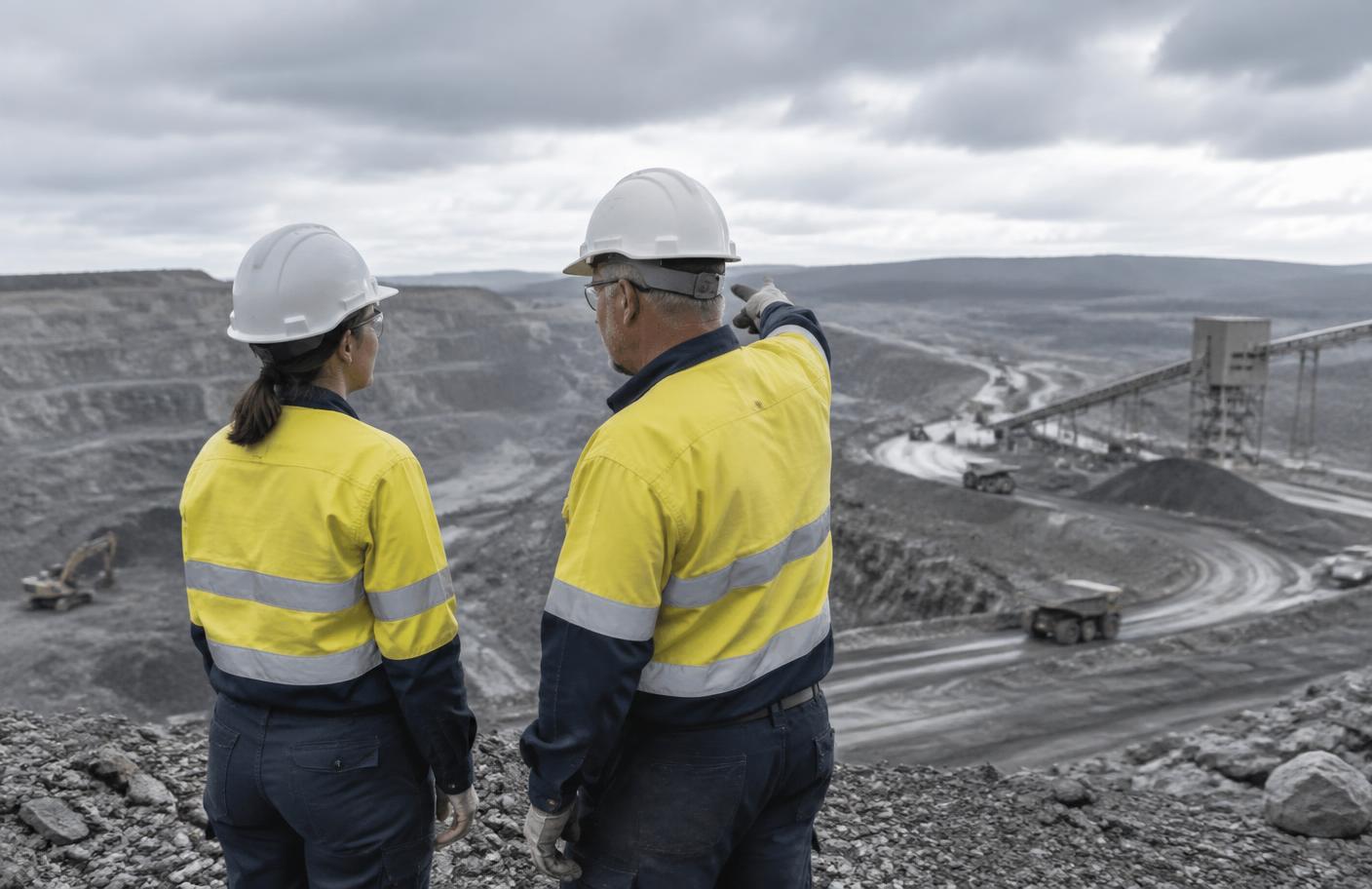
Learning Teams create structured conversations with those people to understand how work really happens, what shapes it and what the organisation can learn.
Not to find someone to blame.
Not to confirm an answer already reached.
To understand the work.
Start with curiosity.
When something unexpected happens, organisations naturally want answers.
What happened?
Why?
Who was involved?
What failed?
What needs to change?
Those questions can quickly narrow the investigation around the event and the people closest to it.
A Learning Team begins differently.
Help us understand the work.
How does it normally happen?
What were people trying to achieve?
What conditions were present?
What changed?
What made things difficult?
What usually helps?
What made the decisions taken at the time make sense?
The objective isn't to defend the outcome.
It's to understand the context that produced it.
People make sense in context.
Decisions often look different after we know the outcome.
Information that now appears important may not have been obvious.
A risk that now seems clear may have been hidden among competing demands.
An action that now appears wrong may have been consistent with how the work was normally performed.
Learning Teams try to understand the situation from inside the work.
Ask:
What could people see?
What did they know?
What were they expecting?
What were they trying to accomplish?
What pressures and constraints existed?
What options appeared available?
Understanding those conditions gives the organisation somewhere useful to intervene.
A Learning Team isn't an interview.
An interview often focuses on extracting information from an individual.
A Learning Team creates a conversation between people with different pieces of the work.
Operators.
Maintainers.
Supervisors.
Planners.
Technical specialists.
Contractors.
People upstream and downstream of the task.
Each sees part of the system.
Bring those perspectives together and connections begin to appear.
The people doing the work aren't witnesses to the system. They're part of understanding it.
A Learning Team isn't a search for root cause.
Complex work rarely reduces neatly to one cause.
Equipment.
Planning.
Controls.
Information.
Resources.
Workload.
Interfaces.
Experience.
Changes.
Organisational decisions.
Local adaptations.
These conditions interact.
Rather than asking:
What was the root cause?
A Learning Team asks:
How did these conditions come together?
That question usually creates more options for improvement.
Start with normal work.
Before exploring what was different, understand what is normal.
Ask:
How is this work usually done?
What does a normal day look like?
What makes the task straightforward?
What makes it difficult?
Where do people need to use judgement?
What normally changes?
What workarounds or adaptations are common?
What helps people succeed?
Without understanding normal work, it is difficult to understand the event.
Then explore what changed.
Once the normal work is understood, look at the conditions surrounding the situation being explored.
What was different this time?
Different people?
Different equipment?
Different timing?
Different workload?
Different information?
Different environmental conditions?
Different priorities?
Different interfaces?
A change to the plan?
A control unavailable?
A familiar problem becoming harder to manage?
Sometimes the event isn't produced by one dramatic change.
It emerges from several ordinary variations arriving together.