Then people go to work.
NewEra helps organisations understand that work — not to catch the difference, but to learn from it.
The procedure isn't the work.
Procedures matter.
Standards matter.
Plans matter.
Risk assessments matter.
They describe how the organisation intends work to happen.
But they can never contain everything the work requires.
The actual task happens in a changing environment with real equipment, real constraints, competing priorities, incomplete information and other people.
Understanding safety therefore requires more than asking:
Did the work match the procedure?
We also need to ask:
What did the work actually require?
Work as intended.
Work as done.
WORK AS INTENDED
How the organisation expects the work to happen.
Policies.
Standards.
Procedures.
Plans.
Risk assessments.
Training.
Instructions.
CONDITIONS OF WORK
What people encounter when they try to do it.
Equipment.
Environment.
Resources.
Information.
Time.
Workload.
Interfaces.
Change.
Competing priorities.
How the work is actually accomplished.
Decisions.
Coordination.
Adjustments.
Trade-offs.
Problem-solving.
Adaptation.
The space between intention and reality contains valuable information.
The gap is not automatically failure. The gap is something to understand.
People adapt because work varies.
Real work is variable.
The job today may look similar to yesterday's job, but the conditions rarely match perfectly.
A different crew.
Different equipment.
A delayed task.
Unexpected weather.
Another contractor in the area.
A missing resource.
A production constraint.
A change in sequence.
People respond.
They adjust the plan, coordinate with others, solve problems and find ways to keep the work moving.
Most of the time, those adaptations contribute to success.
Sometimes they create vulnerability.
Work as Done helps us understand both.
The gap is information.
When work differs from the way it was imagined, there is a temptation to close the gap immediately.
Rewrite the procedure.
Retrain the worker.
Increase supervision.
Add another control.
But first ask why the gap exists.
Perhaps the procedure doesn't account for the equipment available.
Perhaps two requirements conflict.
Perhaps the work cannot be completed efficiently as designed.
Perhaps experienced workers have developed a better method.
Perhaps a control creates difficulty somewhere else in the task.
Perhaps people are compensating for a system weakness nobody else can see.
Before closing the gap:
Understand what created it.
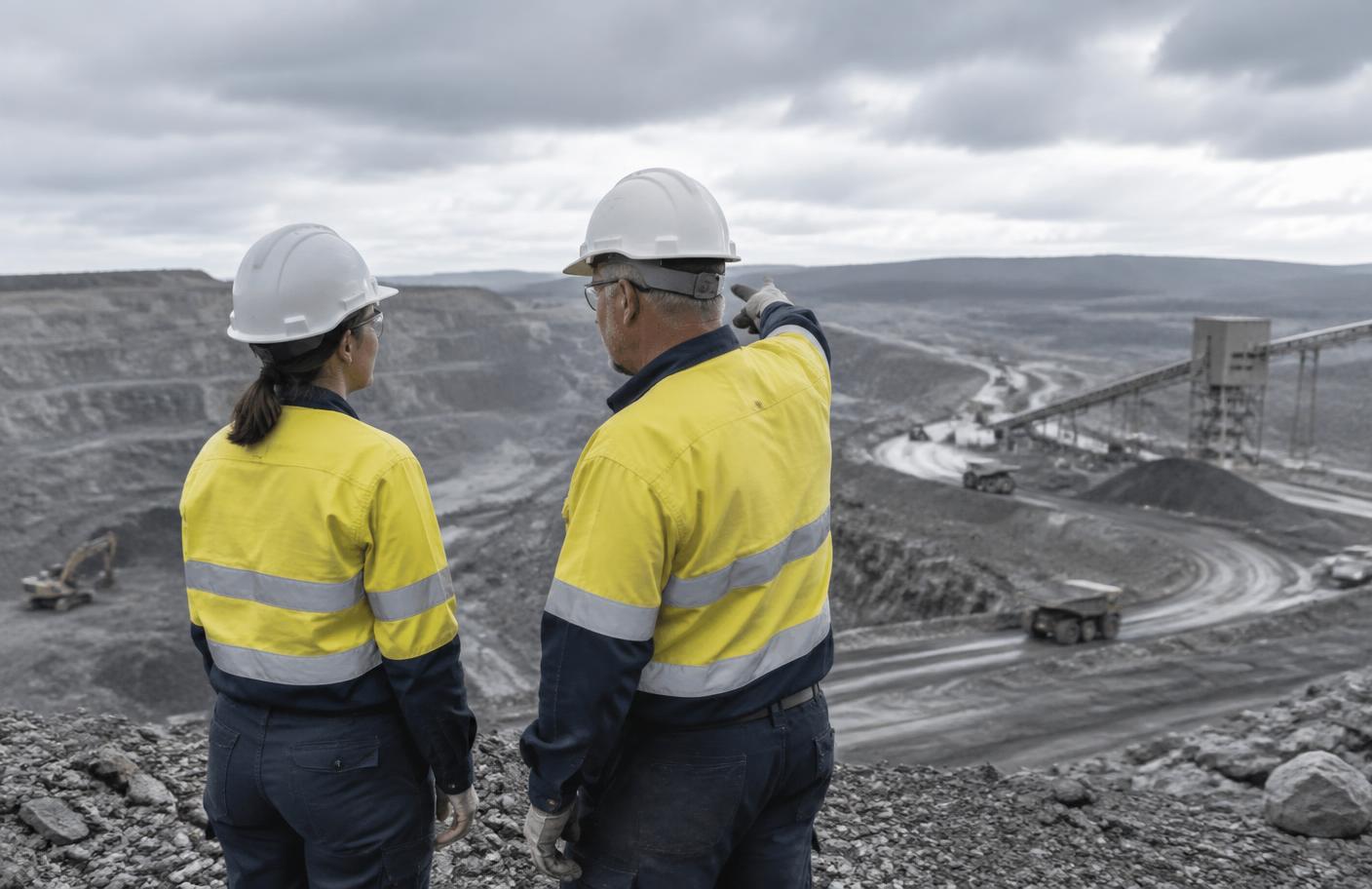
Go where the work happens.
You can't fully understand Work as Done from documents and data alone.
You need to see it.
NewEra spends time where work happens and talks with the people who understand it best.
We look at:
What people are trying to accomplish.
How the task normally happens.
What makes it straightforward.
What makes it difficult.
What changes.
Where people have to adapt.
Which controls help.
Which controls create difficulty.
What people rely on that isn't obvious from the procedure.
What successful work requires.
The aim isn't observation for observation's sake.
It's understanding the system through the work.
Ask about the ordinary day.
Some of the richest information comes from work where nothing went wrong.